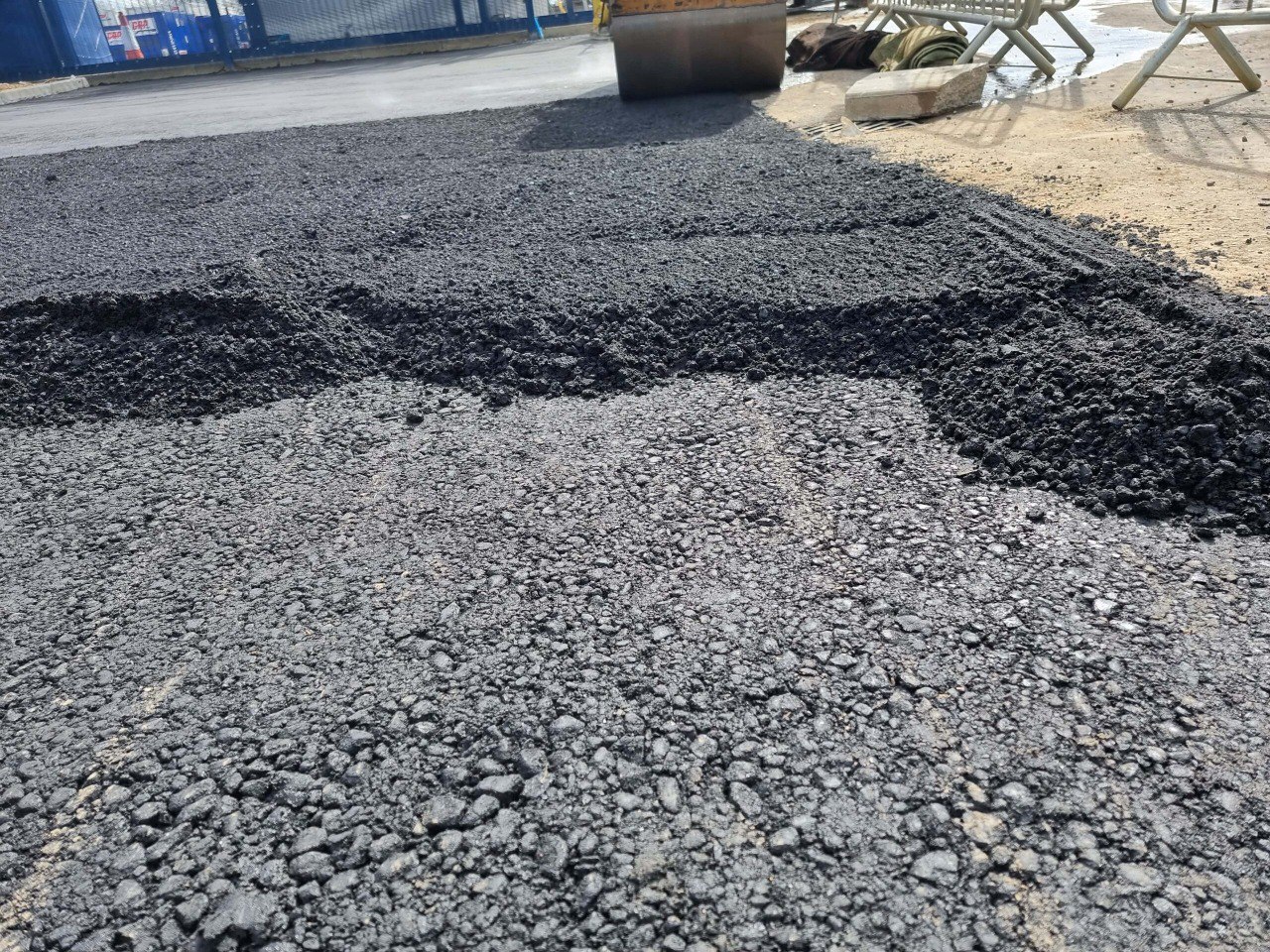
How to Plan a Tarmac Car Park for Long-Term Durability and Safe Access
A well-designed car park needs to do more than provide somewhere to leave vehicles. It should offer a stable surface, sensible vehicle movement, clear access and a layout that remains practical as usage changes. Tarmac is a popular surfacing option for car parks because it can provide a smooth, durable surface when it is properly designed and installed.
For property owners in Banstead, Surrey, careful planning is essential before installing a tarmac car park. Considering vehicle movements, ground conditions, drainage and surface construction at an early stage can help create a safer and more reliable finished area.
Assess the Intended Use of the Car Park
Start by establishing how the car park will be used. A small private parking area will have different requirements from a larger space that accommodates frequent vehicle movements.
Consider the number of vehicles expected to use the area, the type of vehicles involved and how frequently they will enter and leave. These factors can influence the required layout and the construction of the surface.
Planning for actual usage rather than simply the available space helps create a car park that remains practical over time.
Plan Vehicle Access and Movement
Safe access should be considered before any surfacing work begins. Drivers need sufficient room to enter, leave, turn and park without unnecessary manoeuvring.
The position of entrances and exits should be considered alongside the internal layout. Parking bays should be arranged so that vehicles can move through the space naturally while maintaining clear access to other areas.
For a larger car park, planning traffic flow in advance can help avoid awkward turning areas and unnecessary congestion.
Consider Ground Conditions
The existing ground provides the foundation for the finished car park, so its condition needs to be assessed before installation.
Soft, unstable or poorly prepared ground can affect the performance of the completed surface. Depending on the site, excavation and suitable sub-base preparation may be required before the tarmac is laid.
A professional assessment can help identify potential ground issues and determine the appropriate construction method for the intended level of use.
Plan Effective Drainage
Water management is an important part of car park design. Standing water can affect the surface and create inconvenient conditions for drivers and pedestrians.
The design should account for existing levels, gradients and suitable drainage arrangements. The finished surface needs to direct water appropriately rather than allowing it to collect in low areas.
Drainage should be considered during the planning stage, as changing levels or drainage arrangements after installation can be considerably more complicated.
Choose the Appropriate Tarmac Construction
Not every car park has the same requirements. The construction of the tarmac surface should reflect the expected traffic and loading conditions.
A professional installer can assess the intended use and determine suitable layers and materials for the project. Proper compaction is also important for creating a stable, consistent surface.
The objective is to build a car park that can cope with its expected use while maintaining a smooth and practical finish.
Design Clear Parking Areas
A good car park layout should make it immediately clear where vehicles are expected to park. Clearly defined spaces can help make better use of the available area and reduce unnecessary confusion.
Consider the position of parking bays, turning areas and access routes together rather than treating each element separately. This creates a more coherent layout and can make the finished car park easier to navigate.
Pedestrian movement should also be considered where people need to walk between parked vehicles and nearby buildings or entrances.
Consider Edges and Surrounding Areas
The edges of a tarmac car park need to be properly considered as part of the overall design. Unprotected or poorly defined edges can be more vulnerable to deterioration, particularly where vehicles regularly pass close to them.
Kerbs, edging and surrounding landscaping can help establish clear boundaries while giving the finished area a more organised appearance.
These details should be planned alongside the main surfacing rather than added as an afterthought.
Why Professional Tarmac Installation Matters
Long-term performance depends heavily on preparation and installation. Even a suitable tarmac material may not perform as expected if the underlying ground, drainage or construction is inadequate.
Professional installation allows the site to be assessed before work begins and ensures that preparation, laying and compaction are approached according to the requirements of the project.
This is particularly important for car parks because the surface needs to cope with repeated vehicle movements rather than occasional use.
Tarmac Car Parks in Banstead, Surrey
For property owners in Banstead, Surrey, NS Driveways Banstead provides professional tarmac surfacing services for car parks and other vehicle areas.
From assessing the site and planning drainage to preparing the base and installing the tarmac, each stage contributes to the performance of the finished car park. If you are planning a new tarmac car park, contact NS Driveways Banstead to discuss your requirements and arrange a suitable surfacing service.
Conclusion
Planning a tarmac car park requires careful consideration of vehicle access, ground conditions, drainage, construction and the overall layout. Addressing these factors before installation can help create a surface that remains practical, stable and easier to use.
For projects in Banstead, Surrey, professional planning and installation can help ensure the tarmac car park is designed around its intended use and constructed with long-term performance in mind.
Call us on: 01737 926 997
Click here to find out more about NS Driveways Banstead
Click here to complete our contact form and see how we can help with your driveway needs.